Exhibit A: You in 2012, Wearing That. The Case for Keeping Your Cringiest Uploads Alive.
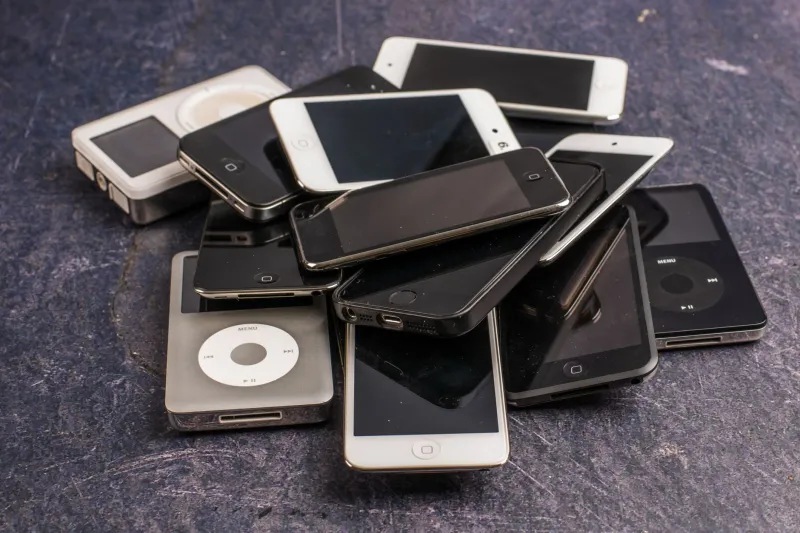
Somewhere deep in the upload history of the internet—past the blurry sunsets, past the fifteen nearly identical photos of someone's dinner, past the video of a dog doing something that was only funny to the person filming it—there is a folder. A digital reliquary. A monument to choices made with full confidence and zero foresight.
It belongs to you. And it is magnificent.
We're talking about your 2012 uploads. Your 2014 uploads. That weird stretch of 2016 that you've quietly agreed with yourself never to discuss. The photos and videos and audio clips you tossed onto platforms like GlumboUploads (or its predecessors in the grand chaotic lineage of internet content sharing) without any thought beyond this seems fine. No curation. No strategy. Just raw, unfiltered documentation of a human being navigating their life with the tools, fashion sense, and worldview available to them at the time.
Here's the thing: that's exactly what makes them priceless.
The Archaeologist in Your Camera Roll
Real archaeologists get excited about pottery shards. Broken ones. Partial ones. The kind that, on their own, look like absolute garbage but, in context, tell you everything about how people cooked, traded, and lived thousands of years ago. Your 2012 uploads are essentially pottery shards, except instead of fired clay, they're made of questionable filter choices and a phase you went through with fedoras.
The unposed stuff is where it gets interesting. Not the photos you meant to share—the ones you actually did share, casually, without thinking. The background details are a time machine: the specific shade of a flip phone case resting on a table, a Netflix DVD envelope (yes, the physical kind) visible on a shelf, a TV in the background showing something that was appointment viewing back then and is now available on a streaming service nobody uses anymore. You weren't documenting history. You were just posting. And yet.
Anthropologists have a term for objects that reveal culture unintentionally—they call them non-conscious artifacts. Your uploads are basically a non-conscious artifact factory that ran at full capacity between 2009 and 2017.
The Cringe Is the Data
Let's address the obvious: yes, it is deeply uncomfortable to scroll back through this stuff. The embarrassment is immediate and physical—a full-body wince, a sharp intake of breath, possibly a sound that no human language has a word for but that everyone recognizes instinctively as oh no, past me.
But here's what that cringe is actually telling you: you changed. The distance between who you were when you posted that and who you are now is exactly the size of that cringe. It's not evidence of failure. It's a measurement of growth, rendered in pixels and bad lighting.
The raccoon-eye makeup phase. The period where every caption was a song lyric. The inexplicable three months where you uploaded exclusively content related to a hobby you have not thought about since. The "inspirational quote over a sunset" era. Each of these is a data point in the ongoing longitudinal study of your own existence, and you are both the researcher and the subject, which is genuinely a wild position to be in.
What Gets Preserved and What Gets Lost
Here's where it gets a little philosophically heavy, and we apologize in advance, but also you're the one who kept reading.
Historians worry constantly about what gets documented and what disappears. Official records survive. Monuments survive. The everyday stuff—the slang, the inside jokes, the casual way people dressed to go to the grocery store on a Tuesday—tends to evaporate. Except online, it doesn't. Not entirely. The casual, low-stakes upload culture that platforms like GlumboUploads are basically built on is accidentally doing preservation work that no archive specifically planned for.
The weird stuff especially. The specific way a certain kind of living room was decorated in 2013, visible in the background of a video someone uploaded because their kid said something funny. The regional slang in a comment section. The collective obsession with a particular meme format that burned bright for six weeks and then vanished so completely that explaining it to someone who missed it is essentially impossible.
You didn't mean to contribute to the historical record. You were just posting a video of your friend attempting a recipe they saw online. But here you are: an accidental archivist.
The Embarrassing Phase You Forgot You Had
There's a specific type of upload that deserves its own section, and that is the documentation of The Phase You Forgot About.
Not the ones you remember having—everyone remembers their emo phase, their CrossFit phase, their brief but intense period of strong opinions about artisanal coffee. The ones worth examining are the phases so thoroughly completed that your brain quietly filed them under irrelevant, do not surface and moved on.
Scrolling back through old uploads is how you find out you apparently spent a significant chunk of 2015 really into something you have no memory of caring about. There's the evidence. Multiple uploads. You were committed. You had opinions. You shared them. And then apparently you just... stopped, and your brain helpfully forgot the whole thing ever happened.
This is not a character flaw. This is how humans work. We cycle through identities and interests and aesthetics at a pace that would be alarming if we thought about it too hard, which is why we generally don't. The uploads, though—the uploads remember.
A Case for Not Deleting
Every few years, the internet collectively decides it's time to do a Digital Cleanse. Delete the old accounts. Scrub the embarrassing posts. Start fresh, curated, intentional. And look—we get it. There are real reasons to manage your digital footprint, and we're not here to give privacy advice.
But before you nuke everything from 2012, consider this: that version of you was doing their best with what they had. They were figuring it out in public, which takes a specific kind of unselfconscious courage that tends to erode as you get older and more aware of how things look. The uploads they left behind are proof of that. Messy, unfiltered, occasionally baffling proof, but proof nonetheless.
The pottery shards don't have to be pretty to be worth keeping.
So maybe let them sit. Let them be part of the archive. Let future-you—or, honestly, future-anyone—stumble across them and piece together what it was like to be a person, online, in America, during that specific weird stretch of history.
You weren't just posting. You were building something.
It just happened to be wearing a fedora at the time.